What are eco-friendly energy solutions for remote workers?


When you run a business, you want to make sure you’re doing everything possible for your employees to promote a positive work environment.
From flexible hours to remote working, there are so many ways that you can make your business — and your employees — thrive. But have you ever thought about how your company impacts the environment, even when your employees work from home?
While it might not seem like a big deal, your business can generate and use a lot of energy when you have each person working from the comfort of their desk. In this Bionic guide, we’ll walk you through everything you need to know about how to promote eco-friendly energy solutions for remote workers.
A typical remote worker in the UK can use between 3,000 to 5,000 kWh of electricity annually for home office equipment, heating, and lighting during working hours. In this Bionic guide, we'll walk you through everything you need to know about how to promote eco-friendly energy solutions for remote workers.
Five-point summary on eco-friendly energy solutions for remote workers
- Remote working cuts down on commuting, office energy use, and waste – making it a surprisingly green way to work. But it also shifts some energy use to the home, so it’s important to think smart about how we power our workspaces.
- Eco-friendly energy solutions like solar panels, smart thermostats, energy-efficient lighting, and usage-tracking tools can help remote workers stay productive while cutting carbon and keeping bills low.
- Renewable energy isn’t just good for the planet – it boosts energy independence, lowers long-term costs, and keeps you powered even when the grid struggles. Plus, it can bump up your property value.
- Skipping sustainable energy comes at a cost – more emissions, more pollution, and more pressure on the planet. The longer we wait, the bigger the impact.
- Building a greener business is a team sport. Employees and employers can work together to spot quick wins, share the progress, and build a culture where sustainability is just how things are done.
What are eco-friendly energy solutions?
Eco-friendly energy solutions — also known as sustainable or green energy solutions — are methods of generating and using energy that have a reduced impact on the environment compared to other traditional methods, like fossil fuels.
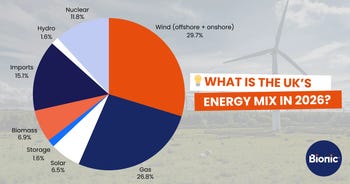
These eco-friendly solutions aim to mitigate climate change, reduce air and water pollution and decrease our reliance on finite and polluting energy sources. Renewable energy sources now provide over 45% of UK electricity generation, making clean energy through either self-generation or green tariffs from major suppliers more accessible.
Why are more people working remotely?
A combination of technological advancements, changes in work culture, and responses to various societal and economic factors has driven the shift toward remote working.
Here are some key reasons why people are remote working:
- Technological advancements — The widespread availability of high-speed internet, VoIP computing, and collaboration tools have made it easier for people to work from anywhere. Employees can access company systems and communicate with colleagues and clients seamlessly, reducing the need for a physical office presence.
- COVID-19 pandemic — The COVID-19 pandemic forced many businesses to adapt quickly to remote work to ensure employee safety and business continuity. This experience demonstrated that remote work is viable for a wide range of industries, and many companies have continued to offer remote work options even as the pandemic subsided.
- Flexibility and work-life balance — Remote work offers employees greater flexibility in managing their work and personal lives. It can reduce commuting time and expenses, allowing individuals to spend more time with their families or engage in personal pursuits. The Office for National Statistics reports that 78% of hybrid workers in the UK have experienced improved work-life balance, contributing to higher job satisfaction and productivity.
- Cost savings — Companies can save on expenses related to office space, utilities, and other overhead costs by adopting remote work policies — some companies have even undertaken office sharing to save on expenses. This can result in more pennies in your business's pocket and potentially increase profitability. Businesses can reduce operational costs by at least 20% through hybrid and remote working models, according to industry research.
How does remote work influence environmental sustainability?
Remote work can have a pretty significant impact on environmental sustainability, mostly in a positive way. Here’s how:
- Less travel. Less pollution - Working from home means skipping the daily commute. That’s fewer cars on the road, less traffic, and way less CO₂. And it’s not just good for the air — it’s great for your wallet too.
- Smaller offices. Smaller footprint - When businesses go remote, they don’t need as much office space. That means lower energy use for lighting, heating, and all the kit that powers a workplace. Less waste, less energy, more savings.
- A bit more energy at home (but still a win overall) - Sure, the kettle’s on more at home. But the boost in home energy use is usually way lower than what’s saved by ditching the office. And smart habits – like using energy-saving tech – can keep those bills down. Studies show that while home energy consumption increases for remote workers, overall energy consumption can decrease when you take out commuting and factor in reduced office energy usage.
- Better habits, greener choices - No commute means more time. More time can mean healthier choices: walking instead of driving, cooking instead of takeaway. Less packaging, fewer single-use cups, and more chances to live greener.
- It’s digital – but still greener - Yes, all those video calls and cloud-based tools use energy. But it’s peanuts compared to the energy used to run a full office. Digital does have a footprint, but it’s lighter than you think.
- Cities that breathe easier - If remote work sticks around, cities could start to look different. Less office space means more room for parks, homes, or co-working hubs closer to where people actually live. Good news for urban air and green space.
Why are renewable energy solutions important for remote workers?
Renewable energy is vital for remote workers due to its environmental sustainability, energy reliability, cost savings, and energy independence from centralised power grids, particularly in remote or off-grid areas.
Remote workers who rely on renewables can reduce their carbon footprint, lower energy costs, and ensure a consistent power supply, even in challenging conditions. This aligns with sustainability values outlined in the Climate Change Levy (CCL), contributes to global efforts to combat climate change, and enhances resilience in extreme weather events, making renewable energy solutions an essential component of a sustainable and efficient remote work environment.
Additionally, businesses supporting remote workers with renewable energy solutions can benefit from:
- Climate Change Levy exemptions – Businesses using renewable electricity can receive up to 90% relief on CCL charges
- Enhanced Capital Allowances (ECAs) – 100% first-year tax relief on qualifying energy-efficient equipment
- Energy Savings Opportunity Scheme (ESOS) compliance – Meeting mandatory energy assessment requirements for large businesses
- Improved corporate image – Demonstrating environmental responsibility to clients, stakeholders, and potential employees
What are eco-friendly energy solutions that remote workers can utilise?
Remote workers can utilise various eco-friendly energy solutions to help support sustainable practices and contribute to a more efficient home working environment.
Solar panels
Solar panels are an excellent option for remote workers, especially if you have access to direct sunlight. These panels capture sunlight and convert it into electricity, providing a renewable and clean energy source for your home office. Installing solar panels can also significantly reduce your reliance on grid electricity, lower your energy bills, and contribute to a greener environment.
Wind turbines
In areas with consistent wind patterns, small-scale wind turbines can help with your energy needs. These turbines convert wind energy into electricity, offering another sustainable power source for your remote workspace. However, wind turbine suitability depends on your location's wind speed and available space.
Remember, proper installation and maintenance are crucial for their effectiveness. Building-mounted micro wind turbines (typically 1-6kW capacity) are suitable for urban and suburban areas with average wind speeds above 5 m/s.
Energy storage solutions
Energy storage solutions, such as lithium-ion batteries, enable you to store excess energy generated by your renewable sources. This stored energy can be tapped into during cloudy days or at night when your solar panels or wind turbines may not produce electricity.
Energy storage systems ensure a consistent power supply, enhancing work productivity and reducing interruptions. Modern home battery systems (5-10kWh capacity) cost between £3,000 and £6,000 and can store enough energy to power a home office for up to two days during outages.
Energy-efficient appliances
When designing your home office, choose energy-efficient appliances and electronics. Look for the Europe-wide energy labels that range from A+++ - G—, which consume less energy while providing the same level of functionality. This step not only reduces your environmental impact but can also lead to cost savings over time through lower energy bills.
Upgrading to A+++ rated equipment can reduce energy consumption by 25 to 40% compared to older B or C-rated devices, saving approximately £100 to £150 annually for a typical home office setup.
Smart thermostats
Smart thermostats are a valuable addition to your remote workspace. They learn your temperature preferences and adjust heating or cooling accordingly, optimising comfort and energy efficiency. By reducing unnecessary energy consumption, smart thermostats contribute to a more sustainable and cost-effective work environment — and who doesn’t want that?
The recommended temperature for home offices is between 19 and 21°C, and smart thermostats can reduce heating costs by 20 to 30% through automated scheduling and zone control.
Energy management software
Energy management software provides real-time insights into your energy consumption. It allows you to monitor and control various aspects of your workspace's energy usage, identify energy-wasting habits, and make more informed decisions to reduce energy costs and your environmental impact.
Cloud-based energy management platforms can identify energy waste patterns and provide actionable recommendations, typically reducing consumption by 10 to 20% within the first year of use.
Energy-efficient lighting
Replace traditional halogen bulbs with energy-efficient LED lighting. LED bulbs use significantly less electricity, last longer, and emit less heat, making them an eco-friendly choice for your workspace. Proper lighting not only enhances your productivity but also contributes to a more sustainable workspace.
LED bulbs use 90% less energy than incandescent bulbs and last 15 to 25 times longer. The average home office will need between 3 and 5 LED bulbs, which should save between £40 and £60 a year on lighting costs.
Find out more in our guide to energy-efficient lighting for UK businesses.
Switching to a green tariff vs. generating your own energy
If you're a remote worker looking for ways to use green energy, you switch to a green energy tariff, generate your own energy, or maybe do both.
Green Tariffs
Energy contracts guaranteeing 50-100% renewable electricity sourced from solar, wind, and hydro projects. Benefits include:
- No upfront investment required
- Immediate access to renewable energy
- Competitive pricing (often matching standard tariffs)
- Climate Change Levy exemptions for businesses
- No maintenance or installation concerns
Self-Generation
Installing your own renewable energy systems. Benefits include:
- Long-term cost savings after the payback period
- Energy independence from grid fluctuations
- Ability to sell excess energy back to the grid via Smart Export Guarantee (SEG)
- Increased property value (solar panels add 4-14% to home values)
- Enhanced Capital Allowances for tax relief
You might benefit from starting with a green tariff while planning longer-term self-generation investments.
Are there tools to monitor and manage home energy usage?
There are loads of tools and devices you can use to monitor and manage your energy use at home. Here are some ideas:
- Smart meters - A smart meter tells you exactly how much energy you’re using and when. No more guessing. Just clear numbers that help you spot where you can cut back. It’s like having your energy bill in real time. As part of the MHHS rollout, smart meters update every 30 minutes, providing detailed breakdowns of electricity and gas consumption, and most UK energy suppliers now offer free smart meter installation with zero upfront costs.
- Apps that do the thinking for you - There are loads of apps out there that track your energy usage room by room, appliance by appliance. They’ll flag where you’re spending most – and give you tips to bring the cost down. It’s like having a money-saving expert in your pocket. Popular energy monitoring apps include Octopus Energy, Loop, and Hildebrand Glow, which integrate with smart meters to provide real-time consumption data and personalised energy-saving recommendations.
- Plugs that pull their weight - Smart plugs can track how much power your kettle, TV or heater is using. Some even let you turn things off from your phone. Forgot to switch off the heater upstairs? No problem. Sorted with a tap. Smart plugs typically cost £10 to £25 each and can identify "vampire" energy drain from devices left on standby, potentially saving £30 to £50 per year per device.
- Smart thermostats that learn your habits -A smart thermostat gets to know your routine. It warms things up when you need it, and powers down when you don’t. Comfy? Yes. Cost-effective? Definitely. Leading smart thermostat brands include Nest, Hive, Tado, and Honeywell, with installation costs of £150 to £300 for a professional setup.
Some systems even let you see how much of your energy is coming from renewable sources – so you know exactly how green your home really is. Great if you're working toward eco goals.
Energy consumption benchmarks for remote workers
When trying to be more eco-friendly, it helps to have targets and know what good looks like. Understanding typical energy usage can help you set realistic reduction targets. Here are some targets to consider:
- Laptop/Desktop - 50-250W per hour (laptops 75% more efficient than desktops)
- Monitor - 20-60W per hour (LED monitors use 50% less than older LCD models)
- Heating (home office) - 3-5kWh per day during winter months
- Lighting - 10-15W per hour with LED bulbs
- Internet router - 10-20W continuous
- Printer - 30-50W when active, 5W on standby
Target a 15% to 25% decrease in home energy consumption within 12 months through efficiency measures and renewable energy adoption.
What are the benefits of adopting renewable energy solutions for remote workers?
We all want to do our bit for the planet, so opting for more renewable energy solutions whilst you’re working from home has a whole host of benefits.
Environmental benefits
- Reduce carbon footprint — If you’re a remote worker, you can significantly reduce your carbon footprint by using renewable energy sources like solar panels or wind turbines that produce little to no greenhouse gas emissions during energy generation. Switching to 100% renewable energy can reduce a remote worker's carbon footprint by 1.2-2 tonnes of CO₂ annually, equivalent to driving between 3,000 and 5,000 fewer miles per year.
- Decreased air pollution — Renewable energy reduces our reliance on fossil fuels, which results in a decrease in harmful air pollutants that can contribute to respiratory problems and speed up the effect of climate change.
- Sustainable resource use — Renewable energy harnesses resources like sunlight and wind, which are naturally replenished, ensuring long-term sustainability and minimising resource depletion.
Economic advantages
- Cost savings — Generating your own clean energy through renewable sources can lead to substantial cost savings over time. Solar panels, for example, can significantly reduce or even eliminate electricity bills, improving your financial stability. Remote workers adopting comprehensive energy efficiency measures and renewable energy can save £300 to £800 annually on energy bills, with businesses potentially offering tax-free home office energy allowances of up to £6 per week (£312 annually) to remote employees.
- Energy independence — Renewable energy solutions can provide energy independence for remote workers as they rely less on centralised power grids. This can protect against volatile energy price fluctuations and provide resilience during grid outages or supply constraints.
- Increased property value — Installing renewable energy systems, like geothermal heat pumps or solar panels, can increase the resale value of homes. This investment in sustainability not only benefits remote workers but also contributes to the long-term value of your properties. UK property research shows that homes with solar panels sell up to 20% faster and increase property value by up to 6.8%.
Reliability
- Consistent energy supply — Combining renewable energy sources with energy storage solutions, like batteries, ensures a reliable and uninterrupted power supply. This reliability is essential for remote work, where downtime can impact productivity and communication with colleagues.
Modern battery systems provide automatic backup power within milliseconds of detecting a grid failure, ensuring seamless continuity for video calls, file transfers, and cloud-based work. - Durability — Many renewable energy technologies are designed to withstand challenging environmental conditions. Solar panels, wind turbines, and energy storage systems are built to be durable, making them suitable for remote locations or regions prone to extreme weather events.
Promotion of sustainable practices
- Corporate responsibility — Remote workers who adopt renewable energy solutions demonstrate corporate responsibility and a commitment to sustainability. This can align with broader corporate sustainability goals and positively impact a company's reputation. However, it’s always important that your business is actually promoting sustainable practices, and it’s just doing this because it’ll ‘look good for the business’. If you’re found to be doing this, you can be accused of greenwashing.
- Influence on others — By embracing renewable energy, remote workers can inspire colleagues, friends, and family to make more sustainable choices. This ripple effect can contribute to a broader shift towards clean energy adoption and a more sustainable future for all.
Incorporating renewable energy solutions can empower remote workers to reduce their environmental impact outside their work life, too!
What’s the environmental impact of not adopting eco-friendly energy solutions?
In today's environmentally conscious world, understanding the environmental consequences of not embracing eco-friendly energy solutions is essential.
Greenhouse gas emissions
When we continue to rely on fossil fuels for energy, like coal and natural gas, we release large amounts of carbon dioxide (CO2) into the atmosphere. This CO2 traps heat and leads to global warming, causing more frequent and severe weather events, rising sea levels and disruption to natural habitats.
The UK energy sector accounts for approximately 70 million tonnes of CO2 emissions annually, with home energy consumption contributing roughly 15% of total national emissions. Remote workers using fossil fuel-based electricity generate an average of 2.5 to 3.5 tonnes of CO2 per year from their home office energy consumption alone.
Air pollution
The burning of fossil fuels also releases pollutants like sulfur dioxide and nitrogen oxides, which can harm our health and contribute to the formation of smog and acid rain, damaging ecosystems and aquatic life.
Air pollution from fossil fuel combustion contributes between 28,000 and 36,000 deaths every year in the UK, with respiratory conditions costing the NHS approximately £20 billion per year (includes NHS costs and lost productivity). Particulate matter (PM2.5 and PM10) from coal and gas power stations affects air quality in urban areas where 83% of the UK population lives
Water pollution
The extraction and use of fossil fuels can result in water pollution. Notably, oil spills in oceans and water contamination near fracking sites can impact aquatic ecosystems and threaten our drinking water supplies.
Fossil fuel power stations also require massive water consumption for cooling (up to 2 litres of water per kWh generated), putting strain on water resources during droughts. UK thermal power stations withdraw approximately 10 billion cubic metres of water annually, representing 15% of total national water abstraction.
Resource depletion
Non-renewable energy sources, like coal and oil, are finite resources. The process of extracting and processing these resources also has a considerable environmental impact, like the disruption of animals' habitats and the pollution of water.
At current consumption rates, accessible UK fossil fuel reserves are projected to be depleted by 2060, creating possible long-term energy security concerns. The UK now imports 45% of its energy requirements, exposing the economy to geopolitical supply risks and price volatility.
Transitioning to sustainable and renewable energy sources is crucial to mitigating these negative effects and preserving our environment for present and future generations.
Government incentives and support schemes for more eco-friendly homes in 2026
Remote workers and businesses supporting home working can access various financial incentives, including:
- Smart Export Guarantee (SEG) – Earn 3p to 15p per kWh for excess solar energy exported to the grid, with higher rates from specialist green suppliers like Octopus Energy (15p/kWh Outgoing Fixed tariff), Good Energy (5.5p/kWh), and British Gas (5.5p/kWh). Average 4kW residential solar system exports 1,500-2,500 kWh annually, generating £75-£375 additional income.
- Home Energy Scotland Loan Scheme – Interest-free loans up to £7,500 for renewable installations including solar panels, battery storage, and heat pumps (Scotland only), repayable over 5-10 years with no early repayment fees.
- Boiler Upgrade Scheme – £7,500 grant towards air source heat pumps, £5,000 for ground source heat pumps, and £5,000 for biomass boilers (England & Wales), reducing typical installation costs of £10,000-£18,000 by 30-75%.
- VAT Reduction – 0% VAT on energy-saving materials installed in residential properties, including solar panels, battery storage, heat pumps, and insulation (expires April 2027, previously 5% VAT), saving £250-£800 on average installations.
- Green Homes Grant – Regional variations offering grants of £5,000-£10,000 for energy efficiency improvements, with additional support available through local authority schemes and the Energy Company Obligation (ECO4) for low-income households.
- Enhanced Capital Allowances (ECA) – Businesses can claim 100% first-year tax relief on qualifying energy-efficient equipment provided to remote workers, including A+++ rated laptops, LED lighting systems, and smart heating controls, reducing corporation tax liability by 19-25% of equipment costs.
- Climate Change Levy (CCL) Exemption – Businesses using certified renewable electricity receive up to 90% relief on CCL charges (currently £0.00775 per kWh for electricity), saving large energy users £1,000-£10,000 annually, depending on consumption levels.
How can employees and employers work together to promote sustainability?
Going green and promoting sustainability is a team effort - even if your team is working remotely. Here are some ways you and your staff can work together on making your business more sustainable:
- Talk it out - Start with a chat. Employees know where waste happens. Employers know what’s possible. Put those heads together and you’ll spot quick wins – like cutting down on printing, powering down devices, or switching to greener suppliers.
- Make it part of the plan - Whether it’s flexible work, eco-friendly perks, or better recycling bins – bake sustainability into how the business runs. If it’s in the culture, it’s in the day-to-day.
- Share the wins - Track the progress and shout about it. Less waste? Lower bills? More walking to work? Share it in the group chat or during team huddles. When people see the impact, they’ll want to do more.
- Give green a budget - A bike rack, energy-saving lightbulbs, eco-friendly coffee pods – small changes can make a big difference. A bit of budget and a lot of team spirit? That’s how you build a workplace that does good while doing business.
- Celebrate the changemakers - Got a recycling hero? Someone who’s turned the office into a plastic-free zone? Celebrate them. Make it fun. Make it a thing. Good vibes spread quickly.
Practical remote working energy policies
If you're looking to adopt a hybrid or work-from-home model at your business, consider putting in place these structured policies:
- Energy expense reimbursement – Offer tax-free home office allowances (£6/week or £26/month maximum) to offset increased home energy costs, which average £30-£50 monthly for full-time remote workers.
- Equipment standards – Provide A+++ rated laptops, monitors, and peripherals to all remote workers with mandatory power-saving settings enabled (sleep mode after 10 minutes, automatic shutdown after two hours of inactivity).
- Working hours optimisation – Encourage flexible schedules that align with off-peak energy hours (typically 10 pm to 8 am on Economy 7 tariffs) for energy-intensive tasks like file backups, software updates, and large downloads.
- Green tariff support – Partner with energy suppliers to offer discounted green tariff rates to remote employees, negotiating bulk purchasing agreements that deliver 5-15% savings below standard rates.
- Training and education – Provide quarterly webinars on energy-saving best practices, smart meter usage, and renewable energy options, with attendance incentivised through CPD (Continuing Professional Development) credits.
- Carbon reporting – Track and report Scope 3 emissions from remote workers' home energy consumption as part of corporate sustainability reporting, using average calculations (0.5-0.7 tonnes CO2 per full-time remote worker annually) or detailed monitoring through smart meter data sharing programs.
- Hybrid working schedules – Implement structured hybrid models (e.g., 3 days home, 2 days office) that optimize energy efficiency across both locations, reducing peak office capacity requirements by 40-60%.
- Renewable energy procurement – Negotiate corporate Power Purchase Agreements (PPAs) that allow remote workers to access renewable energy at fixed rates, protecting against price volatility while supporting new wind and solar projects.
Get your business and remote workers set with Bionic
No matter the size of your business, even the smallest of changes can make a difference. If your employees work from home, it’s crucial that you’re doing everything you can to offer as many eco-friendly energy solutions in the fight against climate change.
If you need more help understanding business energy, head over to our energy guide pages for more information. Or, get in touch today with the Bionic team to compare your business energy needs, including electricity and gas.
Eco-friendly solutions for remote workers FAQs
Here’s an at-a-glance guide to some of the most frequently asked questions about eco-friendly solutions for remote workers:
How much can remote workers save by switching to renewable energy?
Remote workers can save £300-£800 annually on energy bills by switching to renewable energy through green tariffs (£100-£200 savings), energy-efficient equipment (£80-£150), smart thermostats (£75-£180), and LED lighting (£40-£70), with solar panel installations providing additional £400-£700 yearly savings after payback periods.
What is the best renewable energy solution for home offices in the UK?
Solar panels are the best renewable energy solution for UK home offices, costing £5,000-£8,000 for a typical 4kW system with 7-10 year payback periods, 25-year warranties, and generating 3,400-4,200 kWh annually (covering 80-100% of home office electricity needs).
Do smart meters help remote workers reduce energy bills?
Smart meters help remote workers reduce energy bills by 10-20% through real-time consumption data displayed on in-home displays, enabling informed decisions about when to use energy-intensive appliances during off-peak hours and identifying inefficient equipment consuming excessive power.
Are green energy tariffs more expensive than standard electricity contracts?
Green energy tariffs are competitively priced with standard contracts, often matching or beating traditional rates (currently averaging 24-28p per kWh in 2026), while providing 50-100% renewable electricity, Climate Change Levy exemptions for businesses, and fixed-rate protection against price volatility.
How much energy does a typical home office use per day?
A typical UK home office uses 3-8 kWh daily, including laptop/computer (1-2 kWh), heating (3-5 kWh winter months), lighting (0.5-1 kWh), internet equipment (0.3-0.5 kWh), and peripherals like printers and monitors (0.5-1 kWh).
Can remote workers claim tax relief on energy efficiency improvements?
Remote workers cannot directly claim tax relief on personal energy efficiency improvements, but employers can provide tax-free home office allowances of £6 per week (£312 annually) covering energy costs, while businesses can claim Enhanced Capital Allowances (100% first-year tax relief) on energy-efficient equipment provided to employees.
What government grants are available for home office renewable energy in 2026?
Available 2026 UK grants include the Boiler Upgrade Scheme (£7,500 for air source heat pumps, £5,000 for ground source), Smart Export Guarantee payments (3-15p per kWh exported), 0% VAT on renewable installations (saving £250-£800), and regional Home Energy Scotland loans (up to £7,500 interest-free).
How long do solar panels last on residential properties?
Solar panels last 25-30 years on residential properties with minimal performance degradation (typically retaining 80-85% efficiency after 25 years), require little maintenance beyond annual cleaning and inspections, and are covered by 25-year performance warranties plus 10-15 year product warranties from Tier 1 manufacturers.