Is the Iran-Israel conflict affecting energy prices?


The devastating impact of ongoing conflicts not only affects those involved but can also create a ripple effect across the world – this is no different when it comes to the impact of energy prices.
If energy supplies are compromised, this can drive prices up.
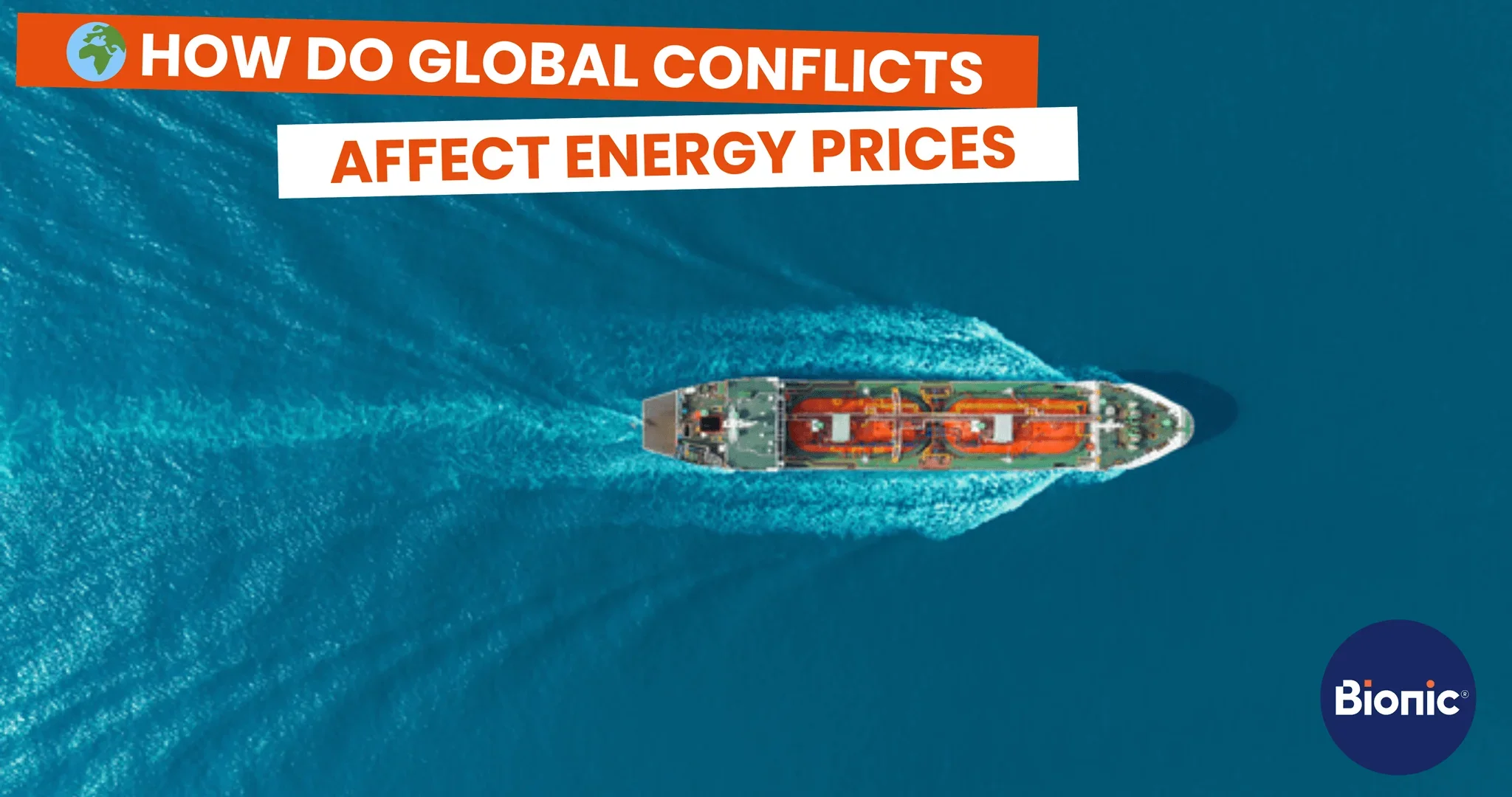
How is the Iran-Israel conflict impacting the energy market?
The recent ongoing Iran-Israel conflict has been causing major volatility in energy markets, and in turn can affect energy prices.
According to some of our suppliers at Bionic, we could see price rises of 9% on electricity and 20% on gas.
The escalation of the conflict has seen European wholesale gas prices rise by 50%, largely because QatarEnergy, the world’s largest producer of liquefied natural gas (LNG), stopped production after it was targeted in drone strikes.
For context, about a quarter of Europe's gas supply came from LNG last year, while it's made up about a fifth of Britain's gas supply over the last five years, on average.
Why does this matter? Energy suppliers tend to buy energy in bulk, so if wholesale prices rise, then so do retail prices – the price you end up paying.
The ongoing conflict has raised global concerns that the Strait of Hormuz - one of the world's most important oil shipping routes - could be blocked. This will cause supply chain issues that will naturally increase prices.
When coupled with the QatarEnergy shutdown, which will cut 20% of global LNG production, you can see how we could be in for more price shocks. And the longer the conflict lasts, the higher prices could go.
What is the Strait of Hormuz?
The Strait of Hormuz is a narrow waterway that stretches 21 miles – about the same width as the English Channel. It sees 20% of global crude oil supplies and 12% of global LNG supplies pass through it regularly.
Global economies depend on it, so any delays or blockages could potentially affect prices across the globe, including the UK.
Does this affect business energy prices?
Yes, potentially, as business energy is bought from wholesale energy markets by suppliers.
How and why do global conflicts affect energy prices?
Global conflicts affect energy prices mainly by disrupting supply, blocking key transport routes, increasing political risk, and triggering sanctions that restrict trade in oil and gas.
Key ways conflicts affect prices
- Physical supply disruptions - If fighting damages oil and gas fields, pipelines, export terminals, or power infrastructure, less fuel reaches the market, so prices rise.
- Chokepoint and shipping risks - Many conflicts happen near “chokepoints” such as the Strait of Hormuz, where about 20% of the world’s oil and gas passes; threats to ships or closures immediately push prices up.
- Sanctions and trade bans - Sanctions on major exporters (for example, Russia after invading Ukraine) cut or reroute supplies, creating shortages in some regions and driving up international prices.
- Geopolitical risk premium - Traders build an extra “risk premium” into oil and gas prices because they fear future disruption, even if current supply is still flowing.
- Market psychology and speculation - Wars increase uncertainty and volatility; studies on the Russia–Ukraine war show higher speculative trading, bigger price swings, and a large share of price moves directly linked to the conflict.
- Knock‑on effects across fuels - If pipeline gas becomes scarce or risky, buyers switch to LNG, coal, or oil instead, lifting prices across several energy markets at once.
Why does this hit consumers and businesses?
- Global pricing of key fuels - Oil and, increasingly, gas are globally traded, so a disruption in one region quickly affects wholesale prices for everyone, including the UK.
- Pass‑through into bills and petrol - Higher crude and gas prices filter through to petrol, diesel, and electricity tariffs; recent Middle East tensions pushed Brent crude up by more than 15 to 50% in past episodes, which then fed into pump prices and energy bills.
- Inflation and wider costs - Dearer energy raises transport and production costs, feeding into general inflation and squeezing households and businesses.
How have the Russia/Ukraine and current Iran conflicts affected energy prices?
- The Russia–Ukraine war caused global oil benchmarks like Brent and WTI to jump by around 50% during the early conflict period, with the war explaining over 70% of the price fluctuation in some analyses.
- Sanctions on Russian fuels and supply uncertainty created a global energy crisis, lifting gas and power prices, especially in Europe.
- In the current Iran‑related conflict, attacks and threats around the Strait of Hormuz and nearby shipping lanes have led to oil and gas price spikes and higher shipping costs, with analysts warning that a prolonged war could push oil above 100 dollars a barrel and keep energy bills elevated.
What should you do?
Although prices seem to have stabilised, global uncertainties still remain - you never know when prices could spike again.
If you haven't already, now could be a good time to fix your rates. This can give you some stability over what you’ll pay throughout your contract. And if you’re approaching your current renewal window, it never hurts to compare quotes to see if you can get better rates.
UK SME’s already pay some of the highest energy costs in Europe. And, while we can’t control the market, we can help you find a more competitive deal. Our energy experts compare tariffs from a panel of trusted UK suppliers and help you switch to a smarter contract to get a great deal on business energy, gas, or electricity.
It can also help to know why you’re paying more, so you can take back a bit of control.
From understanding the energy mix to exploring smarter tariffs and investing in renewables, head over to our energy guides to find out everything you need to know.