














How unoccupancy affects your business insurance


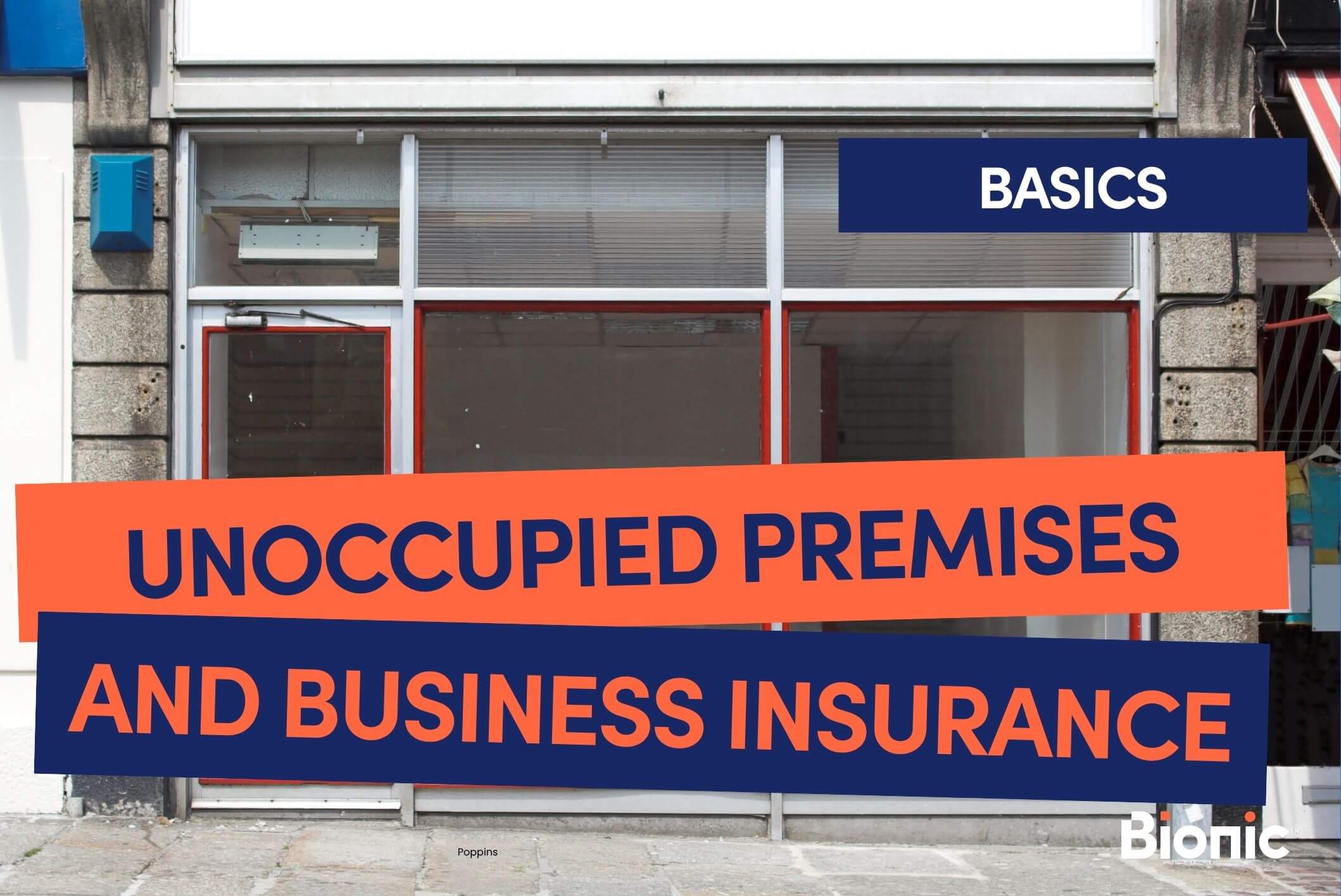
There may be many reasons your business premises is unoccupied, but this doesn’t mean you should forget about insurance. Whether it’s empty between tenants, undergoing a refurb, or your business has had to temporarily close, an unoccupied building brings a new set of risks — and that could affect your insurance cover.
Most standard business insurance policies include an 'unoccupancy clause'. This limits how long your premises can sit empty. This is normally for a set period, and If your property is vacant for more than 30 days you may need additional cover.
In this guide we’ll cover, what unoccupancy really means in insurance terms, what steps can help protect your premises while it's empty and what cover you might need.
We create this content for general information purposes only, and it should not be taken as advice. Always check policy documentation for details and seek professional advice.
What does unoccupancy mean in insurance terms?
A business premises is usually classed as 'unoccupied' once it has been empty for 30 consecutive days or more. Some policies may allow longer before restrictions kick in — but the exact threshold will be written into your own policy documents, usually under an 'unoccupancy clause' or 'unoccupied condition'.
When a property is occupied day-to-day by – whether this a commercial property or residential property, problems tend to be picked up quickly. A leak gets spotted. A broken window gets fixed. But when a building is empty, there is no one around to spot these issues — and that's why insurers tend to see an unoccupied premises as a higher risk.
UK high street vacancy rate stood at 13.9% in 2023, according to the British Retail Consortium (BRC) — meaning roughly 1-in-7 high street units was empty at that point.
We know unoccupancy can happen for many reasons, and the cause doesn't change how, or if your current policy may respond. What matters is whether or not you've told your broker it’s unoccupied and you understand how this affects your existing policies.
What to do if your business premises become unoccupied?
If your business premises are currently unoccupied or your business isn't trading as usual, you should always contact your insurer. This is because any period of unoccupancy can affect the terms of your cover as your business could now be deemed a higher risk than if it was open for business as usual.
Even if you're regularly checking on the premises while it’s empty, you still need to let your insurer know.
If your insurer is unaware that your property is now empty, this could affect your business insurance policy.
Where can I find this information?
You can find this information in your policy. It’s usually under an 'Unoccupancy clause' or 'Unoccupied Condition' within your policy wording.
This condition normally contains two parts that you need to know about:
- The number of days your business can be closed, or not be in use, before you need to notify your broker or insurer.
- The conditions that you need to keep to whilst your premises are unoccupied.
The key thing is - if your business premises is unoccupied for longer that the permitted number of days specified in your policy, you need to tell your broker or insurer. Let us know by calling 0800 158 5263 or by emailing us at existingbusiness@bionic.co.uk.
Once we have the necessary information, we can then let your insurer know so your policy can be amended.
What happens to your cover when premises are unoccupied?
Once the property has been unoccupied for a period of 30 days, insurers may, depending on their terms and conditions, limit cover to FLEA, which stands for Fire, Lightning, Aircraft and Explosion.
This means cover for things like theft, vandalism, escape of water may be removed until you arrange specialist unoccupied cover, or the premises is occupied again.
The specific policy terms and conditions will vary between policies and insurers. Your broker should be able to check what your policy says if you ask. If you need to arrange unoccupancy cover, get in touch with us today and a UK-based broker can help arrange this for you.
What cover types may be affected when premises are unoccupied:
- Commercial property insurance - Protects your commercial building from unforeseen property damage including fire, storms, floods but also arsonists and vandalism. If you own your premises, but also if you it’s required in your rental lease.
- Commercial landlord insurance – Protects your commercial investment from unforeseen property damage including fire, storms, floods but also arsonists and vandalism. If you own your premises, but also if you it’s required in your rental lease.
- Residential landlord insurance - Protects your residential investment that you are renting out from unforeseen property damage including fire, storms, floods but also arsonists and vandalism.
- Escape of water - Burst pipes can go unnoticed for longer in empty buildings, leading to serious damage. This risk is often excluded under standard policies once a property is unoccupied.
What your insurer may ask you to do
When a property is unoccupied, insurers often set conditions that you'll need to keep to in order for your cover to remain valid. These can vary widely, but common requirements may include:
- Carrying out regular inspections — often every 7 to 14 days — and keeping a record of visits
- Securing all doors, windows, and entry points
- Keeping any alarm or CCTV systems on
- Turning off utilities at the mains (unless needed for essential systems like heating)
- Removing post, rubbish, and anything that could attract intruders or cause a fire hazard
- Notifying your insurer — some policies require you to do this before your premises passes the unoccupancy threshold (normally 30 days).
Not keeping to the conditions specified in your policy could affect your ability to claim on your business insurance. You should always check your policy wording or speak to your broker if you're unsure on your own policy terms.
Small business example 1: Refurbishment confusion
My boutique is closed for a 3-week refurbishment, but I pop in every few days to check post and prep the site. Why did my broker say I’m violating my unoccupancy rule?
- Issue – Business owners might assume just "visiting" their property resets the time on occupancy
- The reality – Insurers may look for active business operations. "Popping in" to collect post or meet a builder does not normally reset the unoccupancy period. If your inventory is cleared out or you are not actively trading, the property may be considered "vacant or unfurnished," which could void standard cover terms and could move you to restrictive FLEA (Fire, Lightning, Explosion, and Aircraft) cover.
Small business example 2: Inspection logs
My insurer requires a "weekly physical inspection log." If I miss just one week because of an illness or a business trip, will it completely invalidate a future claim?
- Issue – Business owners might assume it’s ok to miss weekly inspection logs
- The reality – If your policy requires a specific number of inspections (for example, every 7 days), it could be considered a strict term of the contract. If you can’t do the inspection for whatever reason, you should consider appointing a ‘keyholder’ or a commercial property management firm to sign off on the log in your place. If you miss a week, it could void your cover terms.
Small business example 3: New tenant search
I only need unoccupancy cover for 4 months while searching for a new commercial tenant. Why can I only find expensive 12-month policies, and will I get my money back if I find a tenant early?
- Issue – Business owner needs a temporary policy
- The reality – Standard unoccupancy policies don’t often cover short periods because empty buildings can be seen as high risk, (unnoticed water leaks, vandalism, for example). You might find some specialist brokers have other strict terms. For example, you cancel after 4 months within a 12-month policy, they could keep a large amount of the annual premium rather than giving you a pro-rata refund. You should always check your own cancellation terms in your policy. Speak to a broker if you are unsure. Short term policies are normally available for situations like this.
What if you have changed your business activities?
If you've changed your business activities, any insurance claims you make could be invalid if your insurer hasn't been told about these changes.
This is why it's key to notify us of any changes to your business activities, so we can let your insurer know and update your cover. This includes any changes since you either took out the policy or last renewed your insurance policy.
We know businesses can change for all sorts of reasons — you might have new services, you might have moved premises, you might have changed your product line, for example.
Some realistic examples might include:
- A cafe that changes to a takeaway service only
- A shop that only opens at weekends to cut midweek overheads, (or vice-versa in areas like central London).
- A catering company that has started to offer takeaway and home delivery services
- A restaurant adding outdoor or off-site events to its offering
- A business adding new services that carry different risks — for example, a gym adding beauty treatment rooms
If your business is changing (or growing), you might want to consider if the scope of your cover still fits. There may be more cover types you want to consider, such as business interruption insurance which could help if your business is forced to close due to a material damage claim.
How to make sure you’re keeping your insurance up to date
Tara Mitchell, Insurance Technical Manager at Bionic states “Your policy is valid if it reflects your actual business activities. If these change at all, or your business is empty for a few months, you should tell your broker. At Bionic, we can make sure your insurer is notified of the changes and inform you of any changes to you existing policy”.
How to get in touch with Bionic
Here's how to get in touch with the Bionic Insurance Team and discuss your current situation and policy:
- Call us on 0800 158 5263 (Monday to Friday from 9:00 to 17:30)
- Email us at existingbusiness@bionic.co.uk and we'll call you back
When you get in touch, please have the following information to hand:
- Your business name
- The date your premises became unoccupied
- When you anticipate reopening or re-occupying (even an approximate date can help)
- Any details of changes to your business or activities
Sorting out unoccupancy business insurance with Bionic
At Bionic, we understand that getting the right cover in place can help provide peace of mind. That’s why our friendly, UK-based team is on hand to talk you through your options, help arrange cover for you, or make amendments to existing cover, with no hassle. With decades of experience, we can help you compare insurance quotes from regulated providers, so you can choose cover that suits your property business.
Policies vary per insurer, and limits and exclusions apply. Always check your own policy schedule to see what cover is and isn’t included.
Unoccupancy and business insurance FAQs
Does it matter what type of business I own when it’s unoccupied?
No – whatever small business you own, if it’s empty, you should notify your broker. Whether you own cafe, takeaway, shop or similar.
Will my premises still count as 'occupied' if builders or contractors are working there every day?
Not necessarily. If no one is living or working there as ‘business as usual’, insurers could still class it as unoccupied — even if builders are in and out daily. Renovation and refurbishment work could potentially increase risk in the eyes of an insurer, rather than reduce it. You may need a policy that covers both the unoccupied property and the works being carried out. Speak to your broker before any building work starts so your cover reflects what's actually happening on site.
My mortgage lender says I need continuous insurance on my property — does that still apply when it's empty?
*Mortgage lenders may require you to have buildings insurance in place at all times, even when your property is unoccupied. A standard building insurance policy may not be enough to meet your lender's terms, especially if you cover is reduced after the specified period of unoccupancy. It's worth checking with your lender what level of cover they require and considering if an unoccupied premises policy would meet those conditions.
*Bionic does not provide financial advice, it’s for informational purposes only Always consult a professional for financial advice.
I'm closing my business down for a few months — do I need to tell anyone, or can I just let the policy run?
You should always tell your broker as soon as you know your premises will be empty for a notable period. Letting a policy run without informing your insurer of the change could leave you unprotected if you need to make a claim. Always check your own policy terms, but it’s a good idea to give your broker a call to notify them you’re closing down completely.
My tenant has stopped trading but is still technically paying rent — is the premises insured?
This depends on your own policy wording. Some insurers may class a property as ‘unoccupied’ based on whether it is being used for business activities — not just whether rent is being paid. If your tenant's business has ceased and the building is sitting empty, it may could be deemed ‘unoccupied’ by your insurer. If you're a commercial landlord, you should contact your broker to check your terms in this situation. Unsure on which insurance obligations are for landlords vs tenants? Read up on our guide.
What happens if squatters move into my unoccupied premises?
Squatters in a commercial property could cause serious damage and lead to a complex legal situation. Standard business insurance policies may not cover costs linked to squatters, since this can be considered illegal activity. Your cover may not include legal costs to remove squatters or repairs to damage they cause. It's worth asking your broker whether your policy covers squatter-related risks if your premises is likely to be empty for an extended period of time.
My business insurance renewed recently — does that reset the unoccupancy clock?
Not necessarily. Renewing your insurance policy does not always reset how long your premises has been empty, and your insurer may still consider how long the property has actually been unoccupied for. If your premises was already approaching the unoccupancy threshold when you renewed, you may have less time than you think before your cover could become restricted. Always tell your broker if your property is going to be empty, even at renewal, so they can arrange the right cover for your needs.