Protecting your small business against subsidence


If you’re like most small to medium business owners, your building is what keeps your business afloat. Whether you own a high-street shop, a workshop or a office space, if you were to run into subsidence issues with your building, it could bring your business to a halt, and you may need to close. To avoid this from happening, it’s best to read up on spotting subscience signs early.
In this guide, we explore what subsidence is, early signs and how the right business insurance can offer the right protection in case it ever happens.
What is subsidence?
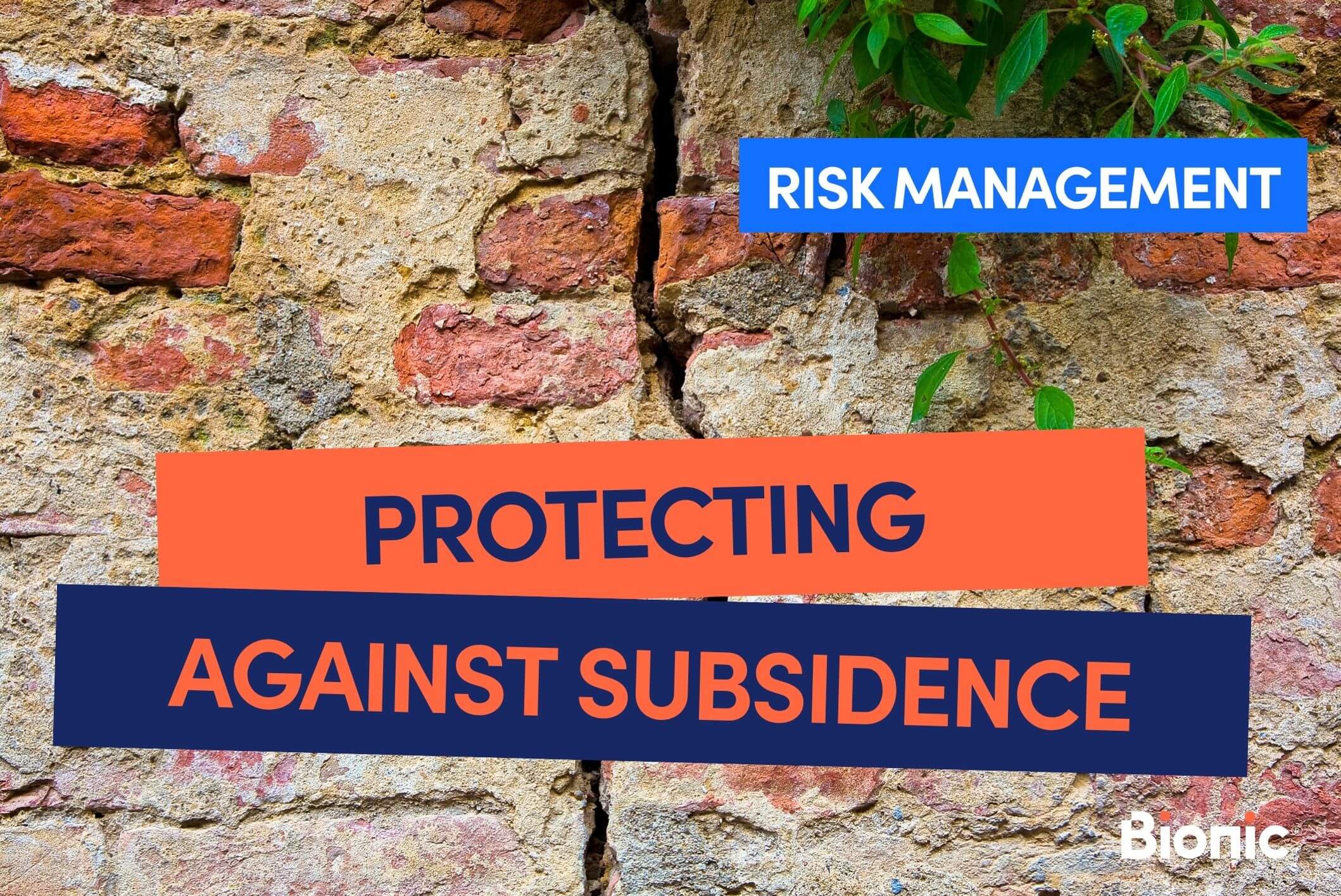
In simple terms, subsidence refers to the ground beneath a building sinking or collapsing. As the ground moves downwards, it can take the foundations of your business premises with it. This movement is often uneven, which puts a lot of strain on the building's structure and can lead to visible damage like cracks in walls or misaligned doors. If it’s left for long enough, subsidence can become a serious business risk, leading to costly repairs.
What causes subsidence?
Several factors could lead to the ground shifting beneath a property. These include:
- Soil type - Clay soils are common in parts of the UK, they can shrink during dry spells and swell when wet. This movement can cause subsidence that affects your premises
- Trees - Generally, the size of the tree indicates the length of the roots, so if there is a huge tree next to your property, chances are the roots are well embedded under the property itself. It’s always worth checking with a professional if there are concerns about trees near the property.
- Leaking drains - If pipes beneath your premises burst, the water can wash away the soil or soften it to the point where it can no longer support the foundations. For more information on this topic, read our guide on protecting your business against burst pipes.
- Historical mining - In certain regions, old mine shafts that were not properly filled may collapse over time.
It’s worth noting that older properties, like Victorian style often don’t have the proper foundations that newer properties have today so these types of buildings tend to be more susceptible to subsidence.
How to check for subsidence?
If you’re worried that you have signs of subsidence, the best thing to do is get a professional in. Check your local business community first to see if anyone has any recommendations, you can also find a subsidence specialist on Trustatrader.
While only a professional surveyor can tell you if it definitively is subsidence, you can also perform regular checks of your premises yourself for subsidence. It is often helpful to walk around your building and inspect both internal and external walls for changes. You should also consider checking if the ground immediately surrounding your property appears to be sinking or pulling away from the walls as these are warning signs.
Recognising signs of subsidence
Tara Mitchell, InsuranceTechnical Manager at Bionic says “Detecting subsidence early is key for preventing serious issues and managing the impact on your business. You might want to look out for the following signs of subsidence:
- Large cracks - Look for cracks that are wider than 3mm (roughly the thickness of a pound coin), are diagonal and are visible on both the inside and outside of the wall.
- Sticking doors and windows - If frames become warped due to structural movement, doors and windows may suddenly become difficult to open or close.
- Crinkling wallpaper - Rippling or tearing wallpaper that isn't caused by dampness could indicate the wall behind it is shifting.
- Gaps - You may notice gaps appearing where an extension meets the main body of the building.”
How do you fix subsidence?
If you suspect your business premises is experiencing subsidence, the first step could either be contracting your insurer, but it could also be useful to get your own specialist in to take a look at the damage before submitting a claim. Your insurer may send a specialist to monitor the movement. Other common solutions include:
- Removing trees - If roots are the cause, removing tree roots could help the soil
- Repairing drains - Fixing leaks may stop the soil from being washed away
- Underpinning - In the worst cases, a contractor may need to strengthen the foundations by injecting resin or adding extra concrete for support. Always contact a professional to see if this is the case.
How much does it cost to fix subsidence?
According to Checkatrade, the average claim for subsidence in the UK can be expensive which is why having the right cover in place may be beneficial. The cost to fix subsidence can vary a lot based on how bad it is, how much movement there is and what's needed to fix it. But on average, fixing subsidence in the UK through the technique of underpinning costs around £12,500 for a commercial property.
Minor repairs or monitoring it might cost a few thousand pounds, while major underpinning for a commercial property could potentially exceed £10,000 to £50,000 depending on the size of the building. The cost to fix subsidence also depends on factors like underpinning, piling, surveying, repair method, structural engineer hourly rate and your Party Wall Agreement.
A Party Wall Agreement is a legally binding document in England and Wales, and it’s required when building work affects a shared wall, boundary, or excavation near a neighbour. It helps protects both parties, setting out work details, timelines, and who pays what when it comes to compensation for damages.
Does building insurance cover subsidence?
Commercial building insurance doesn't always include subsidence and should be discussed with your broker if you want to include it. This addition could help protect you against the financial cost of repairing structural damage caused by ground movement.
But it is important to note, most policies will include a specific subsidence excess (the amount you must pay towards a claim), which is often higher than your standard excess. You should also check your policy wording to check what it includes as it’s unlikely to extend to car parks, gates or fences, for example. Policies will vary per insurer and limits and exclusions apply. Always check your own policy wording to see what is and isn’t included.
How to make a successful subsidence insurance claim?
If you need to claim, consider the following steps:
- Notify your insurer immediately - As soon as you spot a significant crack, get in touch.
- Keep records - Take clear photographs of the damage and note the date you first noticed it.
- Avoid DIY repairs - Do not attempt to fill cracks before an inspector has seen them, as this could hide the evidence of movement.
- Find report records - If you have had recent drain surveys or any tree maintenance, keep these documents handy in case you need to provide evidence.
Learn more about how to make a claim on your business insurance.
Compare insurance quotes with Bionic
At Bionic, we understand that sometimes the unexpected does happen, but you can protect against it. We can help arrange suitable business insurance options for your business, including building insurance to help protect against subsidence. Our UK-based team can talk you through your quote options. Start a quote online to get going.
Subsidence FAQs
How serious is subsidence damage?
Subsidence may become a serious issue because it affects the foundations of your business premises. While a small crack might seem like a minor cosmetic problem, it could be an early sign that the structural integrity of the building is at risk and could lead to costly repairs if not sorted out early.
Is subsidence dangerous?
In the short term, most subsidence is a slow process and may not be immediately "dangerous." But if left unaddressed, it could lead to building instability that might eventually make a building unsafe for staff or customers. It is usually best to fix any issues early before it becomes worse.
I’m a tenant, should I insure for subsidence?
Even if you are not responsible for insuring the building itself, subsidence should still be considered if you are a tenant. For example, if the property becomes damaged or unstable and it damages your stock or contents, or if you need to move out whilst works are completed to fix the damage this then affects you as the tenant as well as the property owner.
It is always worth considering subsidence cover even if you are not the property owner, as claims will not be paid for the tenant if there is not subsidence cover in place if this happens. Subsidence claims can also go on for years, so it’s never a quick job to fix. Speak to your broker about subsidence cover if you are a tenant.
How long do you have to declare subsidence for insurance?
When applying for a new policy, most insurers will ask if the property has ever been affected by subsidence. You should answer this accurately. Even if the subsidence was repaired years ago, many insurers require you to declare it. If you don’t declare when asked it could potentially lead to issues with your cover and you may be left unprotected.